




In this article
A patio umbrella is one of the best investments you can make in your outdoor space — until a gust of wind sends it tumbling across the yard. Keeping a patio umbrella from blowing away isn't just about adding more weight; it's about choosing the right anchoring system for your specific umbrella, surface, and environment. This guide breaks down the most effective strategies so you can enjoy your shade setup with confidence, no matter what the weather throws at you.
What to look for
- Base weight appropriate for your umbrella's canopy size — larger canopies catch more wind and need heavier or in-ground solutions
- Frame compatibility — make sure your base fits your pole diameter and material
- Surface type — whether you're on a deck, patio, grass, or concrete changes which anchoring method works best
- Fill options — water- or sand-fillable bases offer portability without sacrificing stability when filled correctly
Why Patio Umbrellas Blow Away (And What You Can Do About It)
Wind doesn't have to be extreme to destabilize a patio umbrella. Even moderate gusts can create enough lateral force on a large canopy to tip or topple a poorly anchored setup. The physics are straightforward: a canopy acts like a sail, and the larger or more open it is, the more wind resistance it creates. Add an underpowered base or a shallow pole pocket, and you've got a recipe for a flying umbrella — and a potentially dangerous one at that.
The most common mistake people make is underestimating how much weight or anchorage they actually need. A general rule of thumb is that a 9-foot canopy needs at least 50 pounds of base weight in calm conditions, and significantly more if you live in a consistently breezy area or near the coast. Going up to an 11-foot canopy? You're looking at 75 to 100 pounds minimum. Many standard retail bases fall well short of these numbers, which is why upgrading to a purpose-built, commercial-grade base makes such a noticeable difference.
Beyond weight, anchoring style matters enormously. Free-standing bases work well on hard surfaces like concrete or composite decking, but on grass or dirt, an in-ground anchor delivers a level of stability that no surface base can match. Understanding your environment — wind patterns, surface material, how often you move the umbrella — is the first step to choosing the right solution.
Best for: Anyone trying to understand the root causes before investing in a solution
In-Ground Anchoring: The Gold Standard for Permanent Setups
If you have a dedicated spot in your yard or garden where your patio umbrella lives year-round or throughout the season, in-ground anchoring is the most secure option available. By embedding the umbrella's pole directly into the ground or into a concrete sleeve, you eliminate the tipping leverage that surface-mounted bases are always fighting against. The result is a setup that can handle serious wind loads without flinching.
The Market In-Ground Anchor Plate is designed exactly for this kind of permanent installation. It mounts flush with your surface — whether that's poured concrete, pavers, or a hardscape patio — and provides a solid, low-profile connection point for your umbrella pole. Because the anchor plate is set into the ground rather than sitting on top of it, the center of gravity is dramatically lower, which translates directly into wind resistance. It's the preferred solution for commercial patios, restaurants, and hotel pool decks for a reason: it simply doesn't move.
For residential setups where you want the same level of permanence without a full hardscape project, the in-ground anchor approach also works beautifully in garden beds or lawn areas. Pair the anchor plate with a quality aluminum or fiberglass-frame umbrella and you'll have a shaded retreat that weathers the season without constant adjustment or worry.
Best for: Permanent residential or commercial installations on hardscape, pavers, or in-ground lawn setups

Heavy-Duty Freestanding Bases for Decks and Patios
Not every situation calls for digging into the ground. On a wood deck, composite surface, or rental property where permanent installation isn't possible, a heavy-duty freestanding base is your best friend. The key is choosing one with genuine weight — not just marketing claims — and a design that distributes that weight low and wide for the best possible stability footprint.
The Core Base is Midtown's flagship heavy-duty freestanding option, built for umbrellas up to large market sizes and engineered to resist tipping even when wind picks up unexpectedly. Its substantial construction means it stays put without requiring you to fill it with sand or water, which makes it an excellent choice for covered patios, pergola areas, or anywhere you want a clean, finished look without visible fill ports. If you're running a commercial patio or hosting frequent outdoor gatherings, the Core Base delivers the kind of reliability you simply can't get from a lightweight retail base.
The Round Base and the Square Base round out the heavy-duty freestanding category and offer different aesthetic footprints depending on your furniture layout and personal style. The Round Base fits naturally under circular tables and in open lounge settings, while the Square Base pairs well with rectangular dining sets and provides a more architectural look. Both are built to Midtown's commercial-grade standards, meaning they're not just decorative — they're genuinely engineered for stability.
Best for: Deck, composite, or hardscape patios where permanent anchoring isn't an option


Fillable Bases: Portable Stability You Can Take Anywhere
Fillable bases strike a smart balance between portability and weight. When empty, they're light enough to carry and reposition easily — ideal for anyone who rearranges their outdoor space seasonally or likes to move shade around throughout the day. Once filled with sand or water, they become genuinely heavy anchors capable of keeping a full-size patio umbrella in place through typical wind conditions.
The Fill Up Base is a versatile option designed for umbrellas across a range of sizes, with a generous fill capacity that delivers real holding power once loaded up. Sand is generally preferred over water for filling because it's denser, doesn't evaporate, and won't freeze and crack the base in colder climates. If you do use water, consider adding a small amount of antifreeze if you're in a region with cold winters and plan to leave the base outside year-round. The Round 2 Base offers a similarly fillable approach with a refined aesthetic that looks great in both casual and more polished outdoor settings.
One important tip with fillable bases: always fill them completely before trusting them in windy conditions. A half-filled base is significantly less stable than a fully filled one, and many umbrella tip-overs happen simply because someone moved the base, partially emptied it for transport, and forgot to refill. Make it a habit to check fill levels at the start of each season.
Best for: Homeowners who want portable flexibility without sacrificing stability


Tilt-and-Wind-Venting Features: Smart Umbrella Design Helps Too
Anchoring is only half the equation. The umbrella itself plays a major role in how it responds to wind. Canopies with built-in wind vents — a gap or double-tier design near the top — allow air to pass through rather than pushing the entire force of the gust into the frame. This dramatically reduces the lateral load on your base and makes even moderately weighted setups far more wind-resistant. When shopping for an umbrella, a vented canopy isn't just a nice-to-have; in breezy environments it's essentially a safety feature.
Tilt mechanisms also contribute to wind management. When you're not actively using your umbrella for shade, tilting it slightly so the canopy faces into the wind at an angle — rather than presenting a flat face to gusts — reduces the sail effect considerably. Better yet, closing the canopy entirely when you're not outside is the single most effective thing you can do to prevent wind damage. It sounds obvious, but it's one of the most overlooked pieces of umbrella care advice.
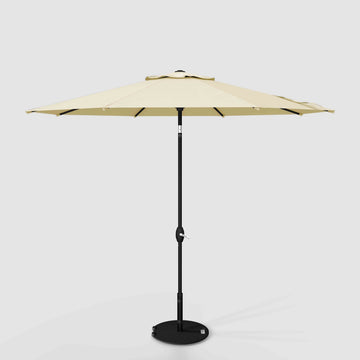
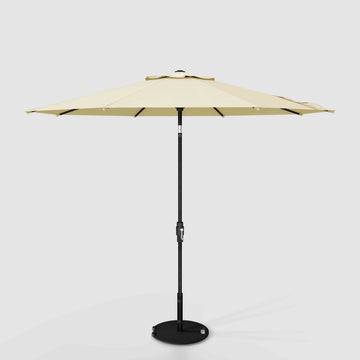
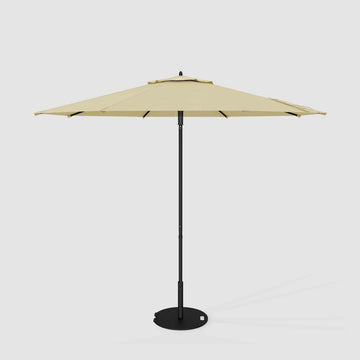
Midtown's Push and Pop™ umbrella is engineered with exactly this kind of wind-aware design in mind. Its intuitive open-and-close mechanism makes it genuinely easy to pop the canopy shut quickly when the wind picks up, rather than fumbling with cords or cranks. Paired with the Swilt, which delivers smooth tilt adjustment so you can angle your canopy strategically against incoming wind, you have an umbrella setup that works with the weather rather than against it.
Best for: Anyone in a consistently breezy environment who wants smart canopy engineering on their side


Frequently asked questions
Keeping a patio umbrella from blowing away comes down to matching the right anchoring system to your specific surface, umbrella size, and wind conditions — then backing it up with smart habits like closing the canopy when you step inside. Midtown Umbrellas builds every base and frame to commercial-grade standards precisely so your outdoor space stays exactly where you left it.
Keep reading
Related guides
 Tips & careWhat Is a Market Umbrella?
 Tips & careWhat Is a Cantilever Umbrella?
 Tips & careHow Much Base Weight Does a Patio Umbrella Need?
Not sure which umbrella fits?
Our size guide does the measuring, and shade specialists answer in minutes on chat.